
We already know that we are heading toward a significant imbalance in the labour market. In Denmark alone, the Local Government Association estimates that the private sector will face a shortage of up to 90,000 employees by 2030.
But that number only covers half the challenge.
While the demand for talent rises, technological development accelerates. Especially within AI. And the pace makes future competency needs increasingly unpredictable.
AI moves faster than we can update the job descriptions
AI is no longer a future scenario. It is already here. AI has become your new colleague and sparring partner, transforming workflows, changing the foundation for decisions and enabling entirely new business models.
Over the coming years, technology will reshape roles at a speed we have never seen before. That means competency needs will change too.
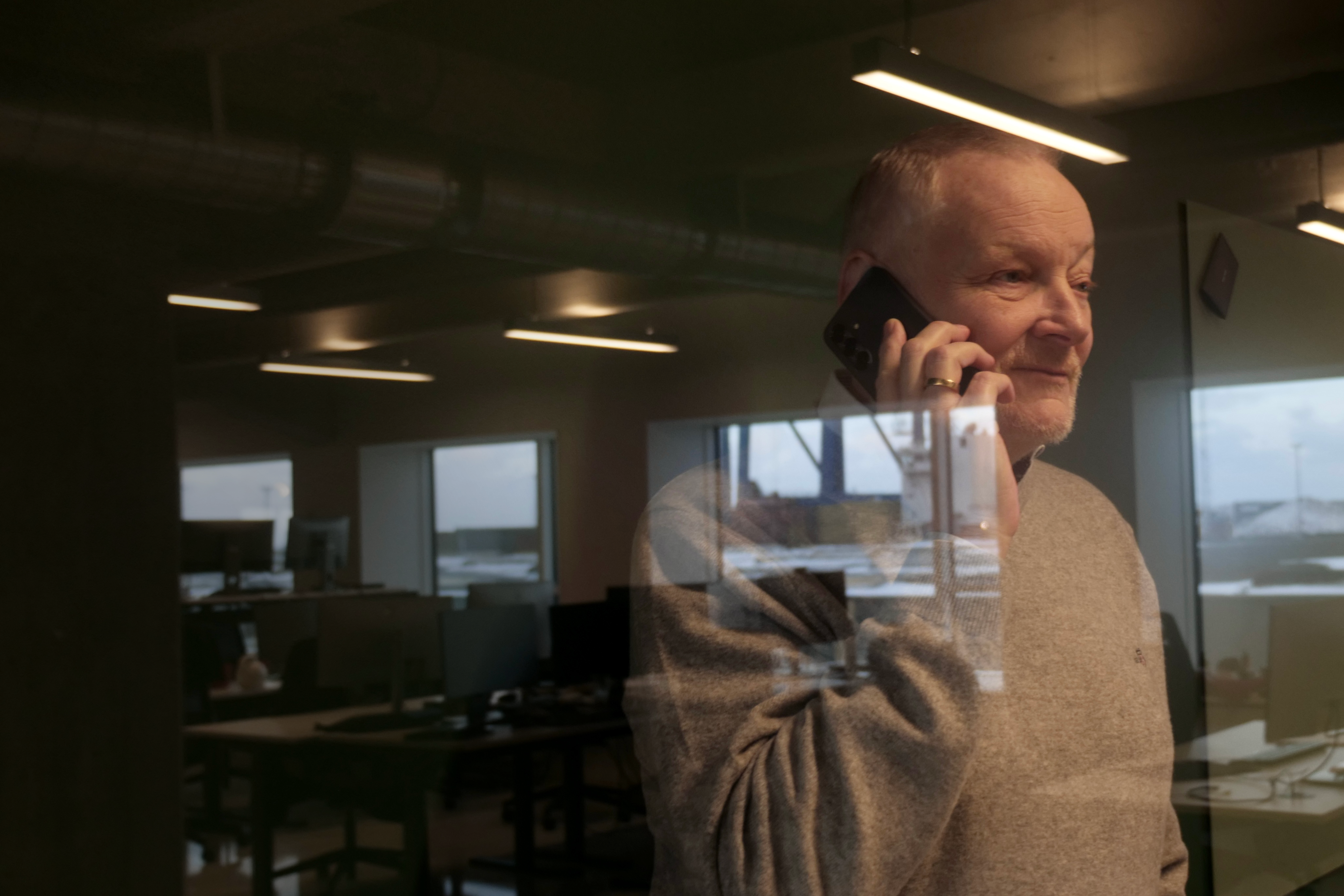
“I have seen technology transform needs many times throughout my career. But the pace we are seeing now is something entirely new. And the roles emerging today cut across disciplines and require fast learning and strong business understanding,” says Senior Client Executive Henrik Andersen, who brings more than 25 years of experience.
This makes it nearly impossible to plan your way into the future. Instead, organisations need the ability to adapt quickly with flexible access to the right expertise when the need arises.
-1.jpg?width=1080&height=720&name=fabian-jones-DUooZ3ytlQM-unsplash(3)-1.jpg)
Flexibility is not just a word. It is a survival strategy
Because AI evolves exponentially, what is cutting-edge today may be outdated tomorrow.
Flexibility is no longer an advantage. It is a necessity. As the market accelerates, the pressure increases on organisations to act with agility and integrate external specialists faster than before.
“Flexibility is essential. Particularly with the introduction and evolution of AI, it is nearly impossible to predict which competencies will be in demand just a few months from now. External specialists can bring insight into new technology, scale up or down when needed and introduce new energy and perspective into the organisation,” says Henrik Andersen.
Companies that can adapt quickly will gain a competitive edge. They gain access to the latest knowledge, can test new technologies without long-term commitments and act on opportunities instead of reacting to problems.
Consulting services offer access to cutting-edge expertise and the freedom to experiment without long-term risk. But flexibility also demands strategic courage. It is not only about responding to change, but about anticipating it.
A flexible foundation for the future
The unpredictability of future competency needs intensifies as AI continues to develop exponentially. Companies must navigate a reality where both skill requirements and technological opportunities shift rapidly.
“This is why consultants and freelancers are not merely a reaction to scarcity. They are a strategic investment in future resilience and innovation capacity,” says Henrik Andersen.
At Twoday Freelance, we believe that stability is not about standing still. It is about the ability to adapt. We work to connect organisations that dare to rethink with the people who make change happen.