

28 TWh
Nordic data center demand by 2030
Up from about 8 TWh in 2024.
Energy & utilities
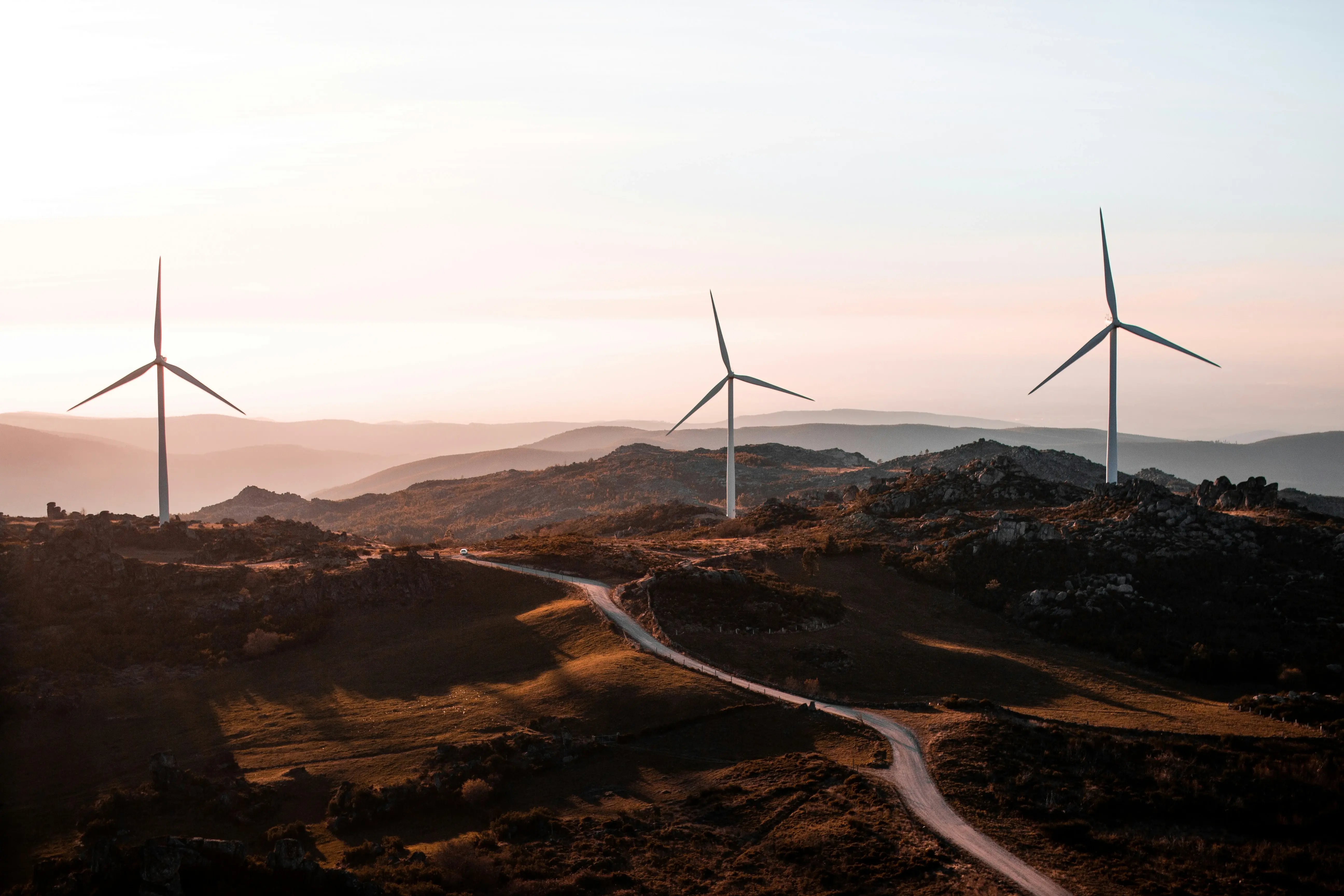
The shift to renewables, rising regulatory demands, and the need for resilient infrastructure is reshaping the sector. We build the systems society depends on.
The expert view
Brian Debel — Industry director
Watch nowTrusted by


For years, Twoday has advised Nordic energy companies on transformation and delivered hundreds of solutions. We know the grid, the market and the data that connects them.
Energy now reaches every sector, and production is changing. Wind and solar replace steady base-load plants, and a large cloud over a solar farm can cut its output within minutes. Supply and demand must balance in real time.
The biggest risk for leaders is underestimating flexibility. Batteries help, but the grid only stays in balance when data flows reliably between production, storage, consumers and the market. Most energy companies accept that digital is a foundation. The hard part is the gap between business and IT, which keeps decisions from connecting.
Which data, platforms and decisions keep supply secure and affordable as the system changes? We help you answer that.
Up from about 8 TWh in 2024.

Commission estimate, mostly for digital distribution grids.

Up from about 1 kW without one.



A cloud over a solar farm can wipe out the production of a whole city. With electrification, regulation and customer expectations raising the stakes, our solutions start with the business problem, whether it’s a grid operator balancing variable production or a retailer building customer value. We help utilities move from AI adoption to intelligent operations.

A bot that answers one question does not change the cost of serving a customer. We redesign end-to-end service and electric retail processes around AI agents, and track the value from day one.

The utilities that get their data right will save money and keep costs away from consumers. We integrate SCADA, GIS, metering, asset and customer data into one validated, governed foundation, ready for forecasting, planning and AI.


Governance works when business, IT and operations share ownership. We modernize business-critical software with Digital Engineering, clarify cybersecurity and accountability across IT and OT, and let AI scale securely where reliability comes first.
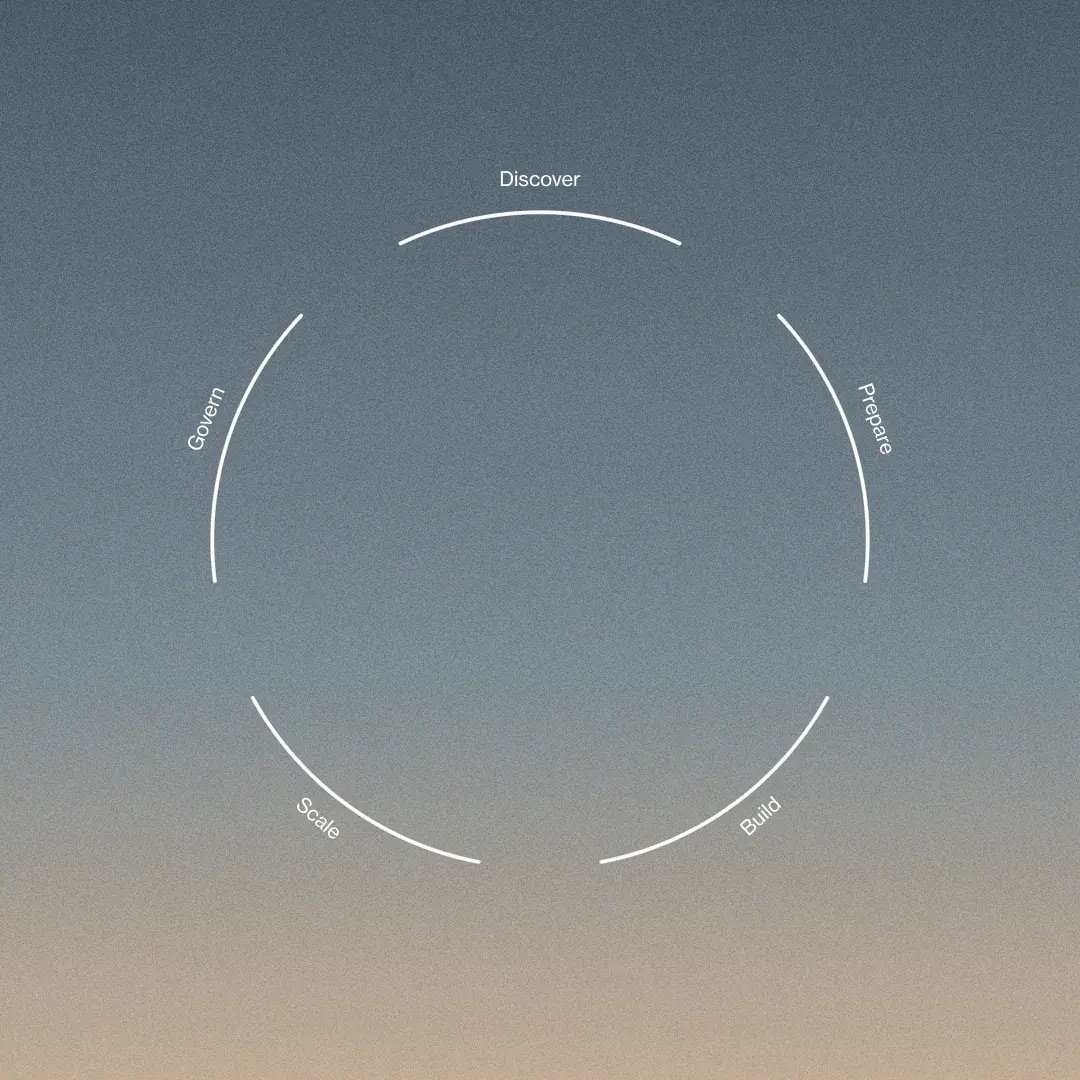
From first investment to AI you control. Start with the part you need and add more as you go.
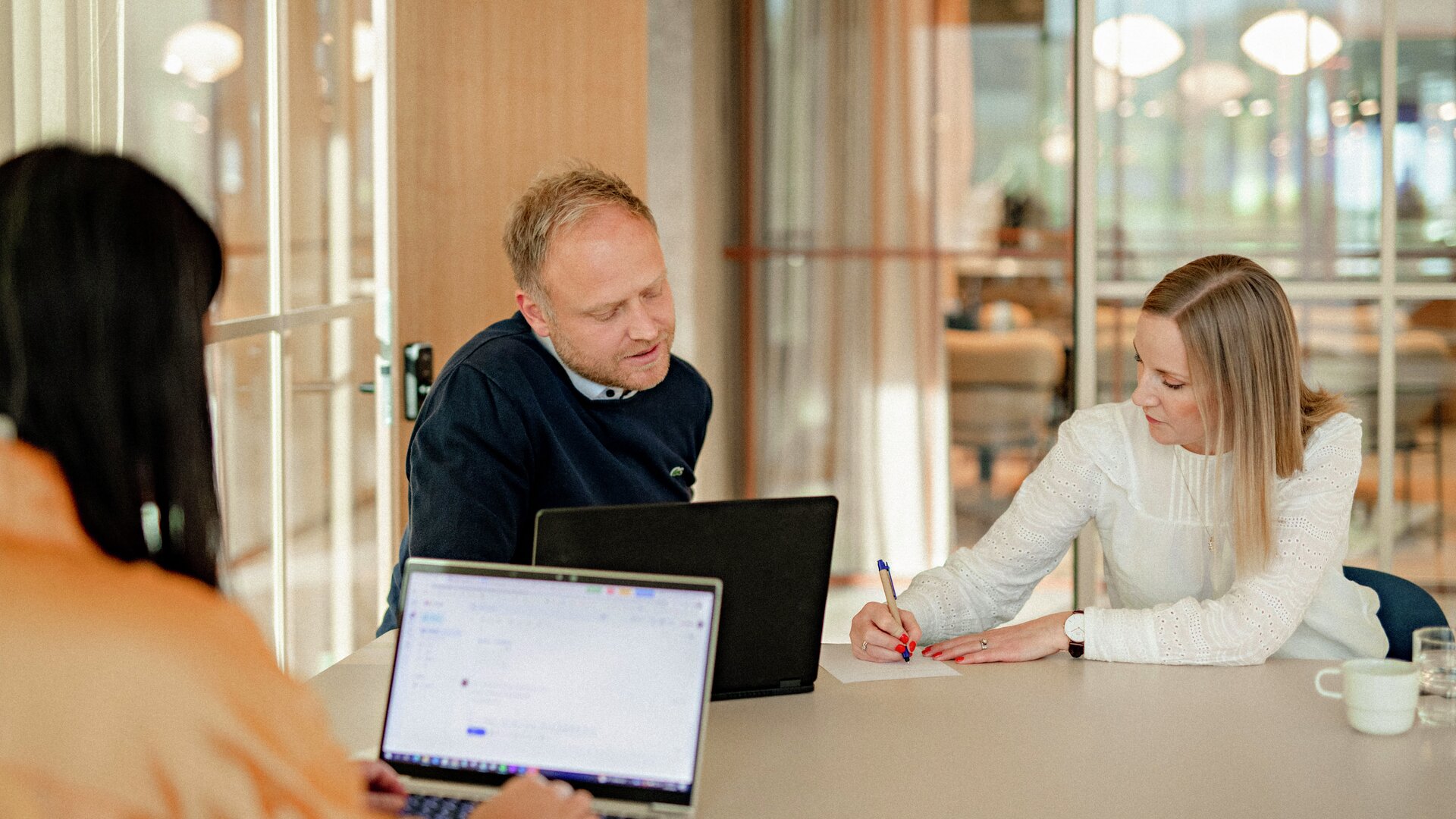
Know what to fund in AI, and in what order. A board-ready roadmap and investment case in 3–5 weeks.

Make AI-native delivery the way your engineering teams work, with governance built in.


Roll out AI on a secure foundation. Know where your environment stands and what to do first.
We work with leading energy companies, technology partners, and research organisations to accelerate the transition to a sustainable future. From intelligent grid management to data-driven operations, we help our clients stay resilient in a rapidly evolving energy landscape.