of EU countries use AI in health services to support diagnosis.

Health and life sciences
Trusted healthcare is built close to the people it serves
Better care, faster research and less time lost to paperwork start with data you can trust. Twoday helps healthcare and life sciences organizations build data foundations and AI solutions that are safe, useful and compliant.
The expert view
"1 in 4 are already asking AI for medical advice before seeing a doctor, and they are doing this without knowing if their data is safe."
Kristin Rotevatn Nyberg — Industry director
Watch nowTrusted by



A trusted partner for healthcare and life sciences
AI already plays a growing role across health and life sciences. What separates the organizations that benefit from advanced technology is the governed data foundation underneath it. Twoday knows the industry regulatory well and has spent years helping organizations in this sector build the right foundation.
AI in healthcare did not start in the hospital. It started on patients’ phones. Clinicians now use it to support diagnosis, and 74% of EU Member States report using AI in diagnostics, according to WHO/Europe. Patients have adopted it even faster, often without safeguards.
For pharma, AI is both driving and enabling change, but it does so in completely different areas. Here the shift happens in research, regulatory work and drug safety.
In pharma, the stakes are measured in months. Bringing a medicine to market takes about 100 months from Phase I to filing, and AI can shorten the data-heavy stretches: trial planning, regulatory documentation, safety monitoring and R&D analysis. It can only do that on data that is governed and trusted.
of labs expect to use AI within 2 years
faster regulatory submissions with generative AI, according to McKinsey’s estimate.

Customer story
Customer story
Customer story
Customer story
The forces that decide how fast AI pays off in Health and Life Sciences
Our solutions start with the business problem, whether that's a pharma company trying to cut the time from drug discovery to market or a welfare region trying to give better access to care. We help in three connected ways.
Trusted data foundations
Bring data from spreadsheets and separate systems into one modern, governed data model. This is the first step before any AI and it speeds up business processes.
Safe, trusted AI solutions
Real-world solutions that predict needs, optimize capacity, and speed up discovery. Our approach is responsible and always aligned with clinical and ethical standards.
Less administrations, more time for people
Automation and AI that reduce administrative work for healthcare workers and life sciences teams.
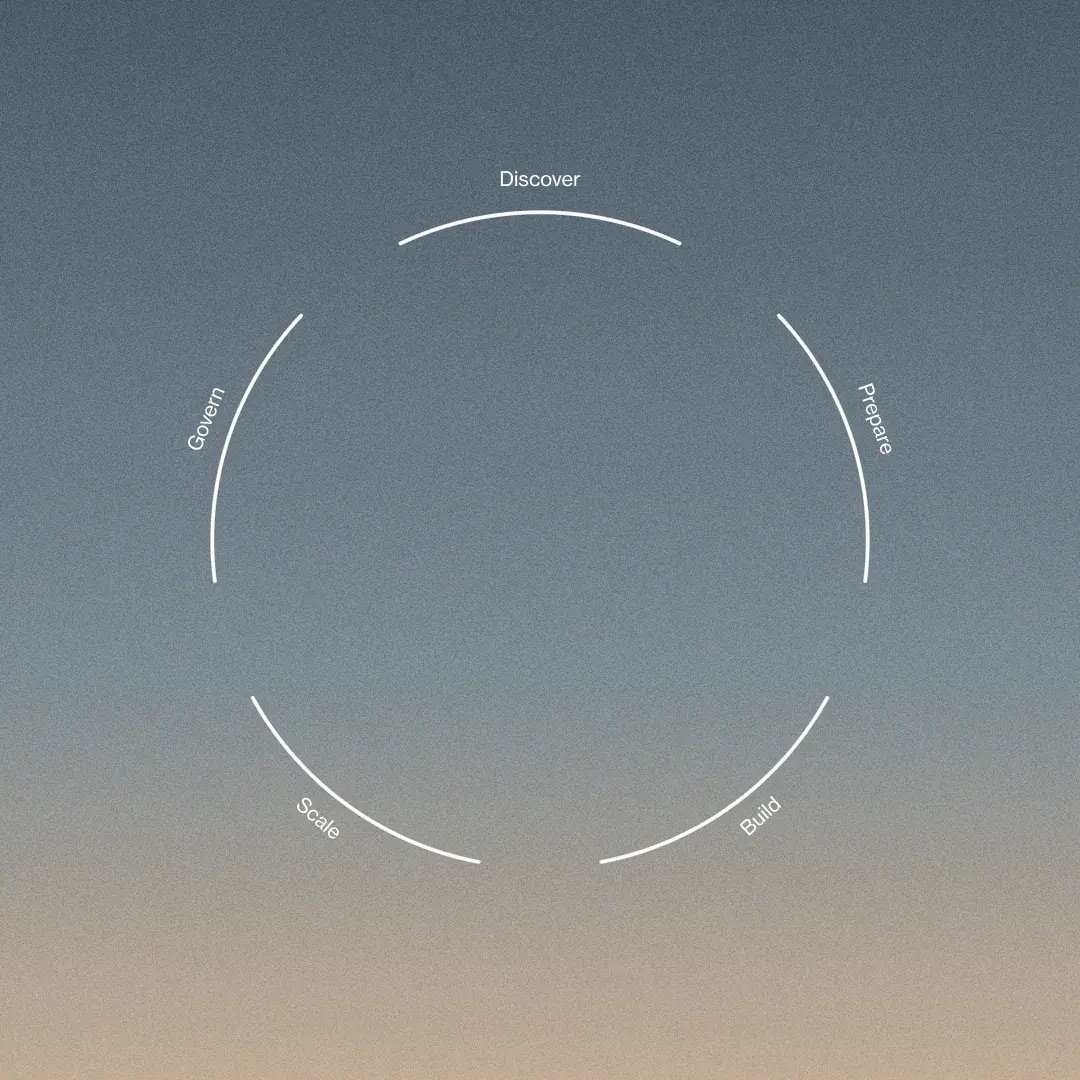
Solutions we build to solve this

- Engine
- 14 offerings
Twoday AI Engine
Read moreFrom first investment to AI you control. Start with the part you need and add more as you go.

- Service
- Start here
AI Value Discovery
Read moreKnow what to fund in AI, and in what order. A board-ready roadmap and investment case in 3–5 weeks.


- Service

- Platform

- Framework
"1 in 4 are already asking AI for medical advice before seeing a doctor, and they are doing this without knowing if their data is safe."
Kristin works as the industry director for health and life science. Everyday, she works with the challenges and opportunities that health and life science organisations face.
- Speaker
- Kristin Rotevatn Nyberg
- Industry
- Health and life sciences
- Area
- AI
- Length
- 02:12
Frequently asked questions
01How does a health or pharma company get started with AI?
Start from a business outcome. Pick one process where time saved is worth the most, such as trial documentation, regulatory submissions or patient service, and check that the data behind it is governed. Twoday can start with AI Value Discovery, a 3 to 5 week roadmap and investment case, or with an AI readiness assessment, a 3 week check of your environment before a Copilot rollout.
02How do you measure the value of AI in a pharma company?
Set a baseline for one process before you start building, such as time to prepare a regulatory document. Then track time saved, cycle time, quality and user adoption from the first release. Expect slow payback at portfolio level. Deloitte’s 2024 data shows about 100 months from Phase I to filing for the largest pharma companies, so report process results first.
03What does 'AI-ready data' mean in healthcare and life sciences?
Data you can find, trust and trace, with a named owner, agreed definitions, automated quality checks and role-based access. About half of the life sciences labs in a 2026 Pistoia Alliance survey name AI-ready data as their top obstacle. Twoday builds the data platform and the governance layer in steps, one data domain at a time.
04What does the EU AI Act mean for healthcare and pharma?
AI that is a medical device, or a safety component of one, is high-risk when the device needs a notified body, and must meet AI Act requirements on top of MDR or IVDR. Under the Digital Omnibus, high-risk rules apply from 2 December 2027, and from 2 August 2028 for AI built into regulated products. Start by listing and classifying your AI systems.
05How do you use AI in a GxP-regulated environment?
Treat it as a computerized system: define its intended use, validate it for that use, put changes to the model, data and prompts under change control, and keep audit trails. Fixed models are easier to validate than learning models, and the EMA’s draft Annex 22 points the same way. Begin with a non-critical use, such as document drafting with human review.
06How do you keep patient data safe when using AI?
Health data is a special category under GDPR, so you need a legal basis, a defined purpose and normally an impact assessment. Before a Copilot rollout, review permissions and data sharing, because Copilot shows users everything they can already open. Find the AI tools staff use without approval and give them a safe alternative. Päijät-Häme’s AI service advisor, built with Twoday, answers only from trusted sources and gives no medical recommendations.
07What are practical AI use cases in healthcare and pharma?
In healthcare: AI service advisors that guide residents to the right service, as in Päijät-Häme, and less administrative work in billing, documents and guidelines. In pharma: trial operations, regulatory and quality documents, safety signal detection and R&D data. Start with the use case where a month saved is worth the most. With Twoday’s AI Value Discovery you can find it in 3 to 5 weeks.
08How do you modernize legacy systems in healthcare without disrupting care?
Modernize in steps around the live service and build the ability to change into the system. At HUS, two outdated billing systems became one: Atlas, built and maintained by Twoday since 2022, with a rule engine that handles more than EUR 2 billion in billing a year for over 700,000 patients. New legislation goes into rules, not a big IT project.

Get a trusted partner
We collaborate with leading technology providers, research institutions, and healthcare innovators to bring the future of health to life. From AI-powered diagnostics to secure data ecosystems, we help our clients stay ahead in a rapidly evolving field.