Meet Elisabeth
Tech Lead Power BI | Twoday Norway
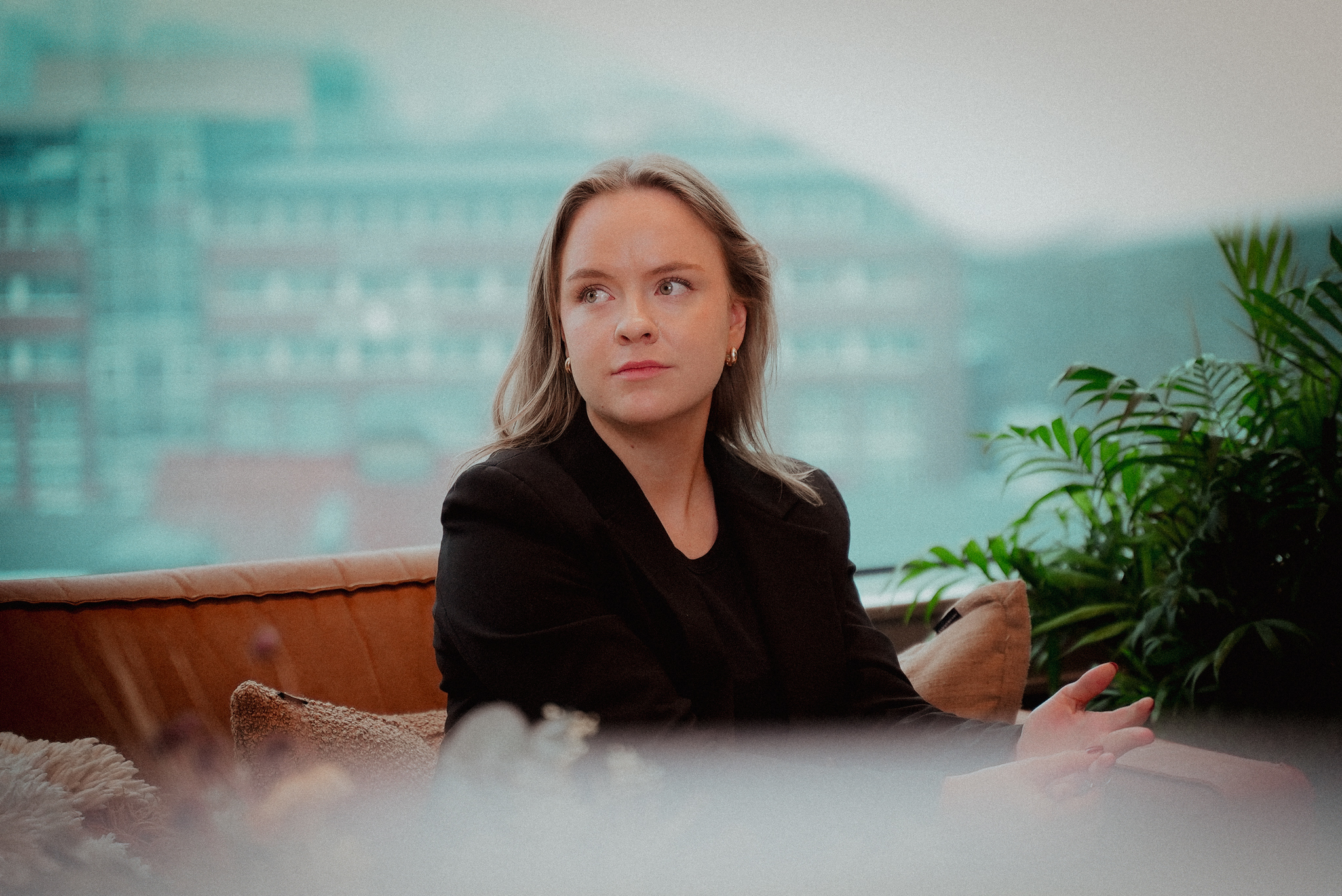
"Understanding the people, the context, and the organization around the data is just as important."
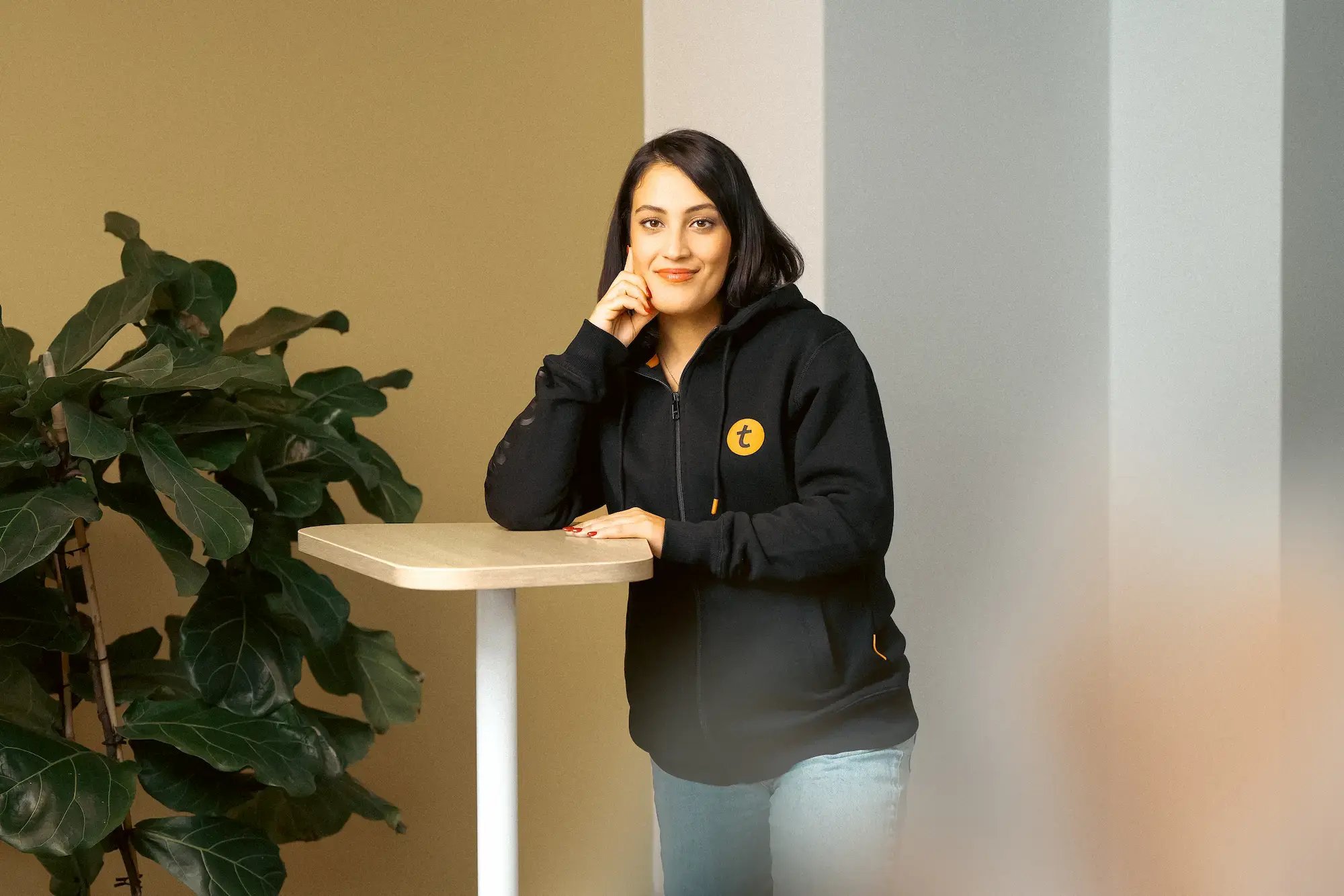
Elisabeth Spilde works at the point where data turns into decisions. Her days rarely look the same. One day she’s exploring business questions with clients, the next she’s building data solutions or helping teams understand how to use them better. What stays constant is her focus on making data useful. Not just technically correct, but clear, accessible, and relevant.
A big part of her work is translating business needs into something practical, while also building solutions that can evolve over time. Power BI plays a central role in that. She has a particular passion for it, especially how it can turn complex data into insights people can actually use in their everyday work.
When data starts making sense
For Elisabeth, the most rewarding moments aren't about finishing a solution. It's about seeing it in use.
"That feeling often comes when I see a solution being actively used, making everyday work a little easier and decisions a bit clearer," she says. It's in those moments that the value of the work becomes visible. Not in dashboards or pipelines, but in how people actually work differently because of them.
She also finds motivation in collaboration. Working closely with others, sharing experience, and building better ways of working with data together is a key part of what keeps her engaged. Progress, for her, is something created together, not delivered alone.


Looking beyond the technology
Early in her consulting career, Elisabeth realized that good solutions are rarely just about the tools or platforms.
"Understanding the people, the context, and the organization around the data is just as important," she explains. That insight changed how she approaches her work.
Today, she focuses on creating solutions that aren't only functional, but also understandable and sustainable over time. Solutions that fit into real workflows and make sense to the people who use them. Even the best technical solution has limited value if it doesn't work in practice.
What makes teams work
Elisabeth believes that strong teams are built on trust and psychological safety. When people feel comfortable asking questions, sharing ideas, and being open about uncertainty, collaboration becomes stronger and more effective.
She values environments where people support each other, give constructive feedback, and recognize each other's contributions. "Clear goals, complementary skills, and a shared sense of responsibility matter a lot," she says. The best teams she has worked in combine ambition with genuine care for one another.
That balance between high standards and real support is what turns good teams into great ones.
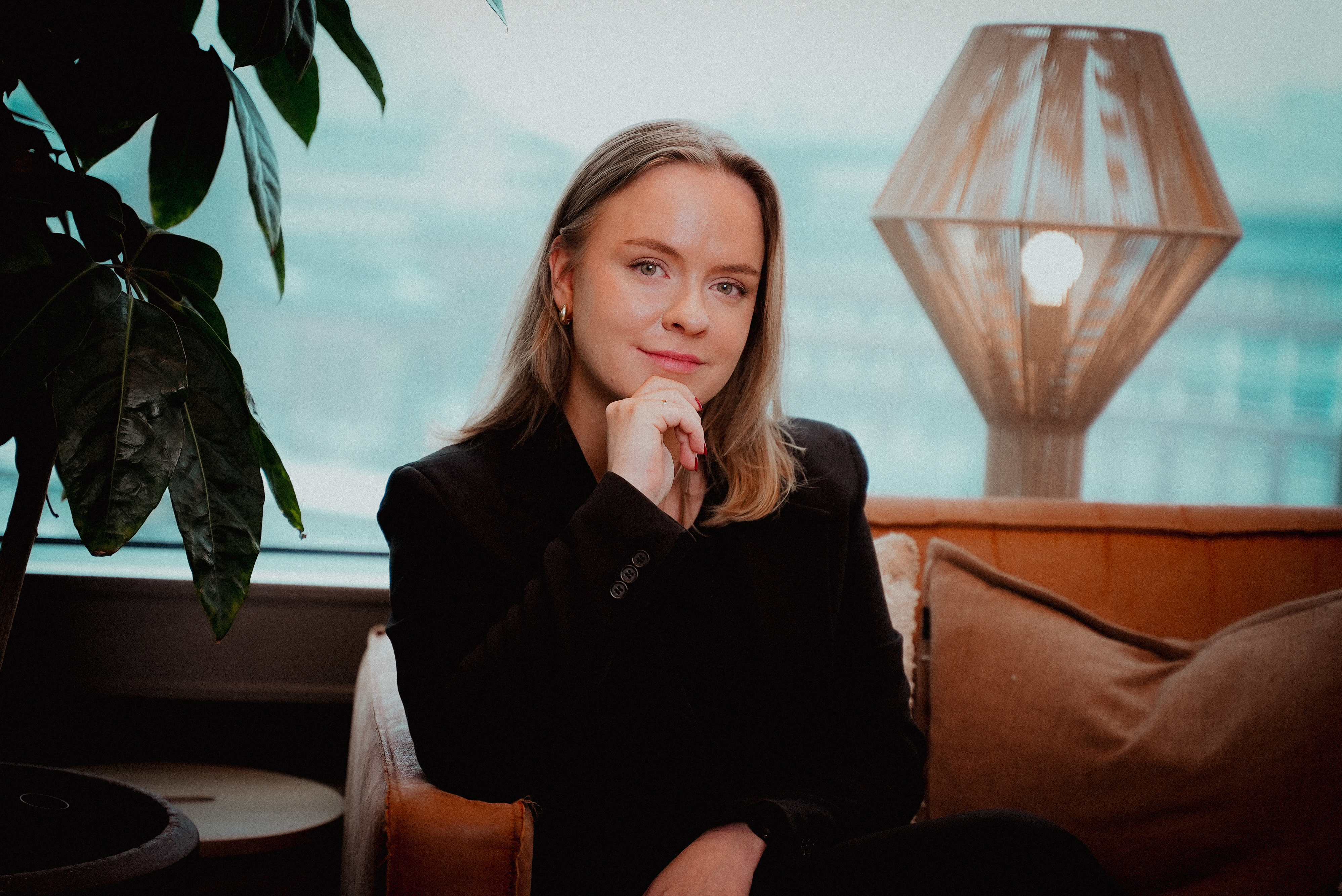
"Clear goals, complementary skills, and a shared sense of responsibility matter a lot."
Curiosity beyond the everyday
Outside of work, Elisabeth recharges by stepping away from routines and exploring new environments. Spending time with people she cares about gives her energy, but so does experiencing new places and cultures.
She recently returned from a road trip in Namibia and is already planning her next journey to South Korea. Travel, creativity, and staying active all play a role in keeping her perspective fresh.
For Elisabeth, curiosity isn't just part of her work. It's a mindset that carries through everything she does. She is constantly learning, exploring, and finding inspiration beyond the everyday.